
Piano Lessons for Autistic Children: What Parents Need to Know Before Getting Started
You've been here before. The dance class that ended in tears. The swimming lesson where the echoing pool was just too much. The football practice your child walked away from after five minutes.
Finding an activity that actually works for your autistic child can feel exhausting.
You want something that brings them joy, builds their confidence, and meets them exactly where they are. Not another well-meaning attempt that leaves everyone frustrated.
The good news is that piano might be exactly what you've been looking for. And there are solid reasons why it works so well for neurodivergent children.
Why Does Piano Work for Neurodivergent Children?
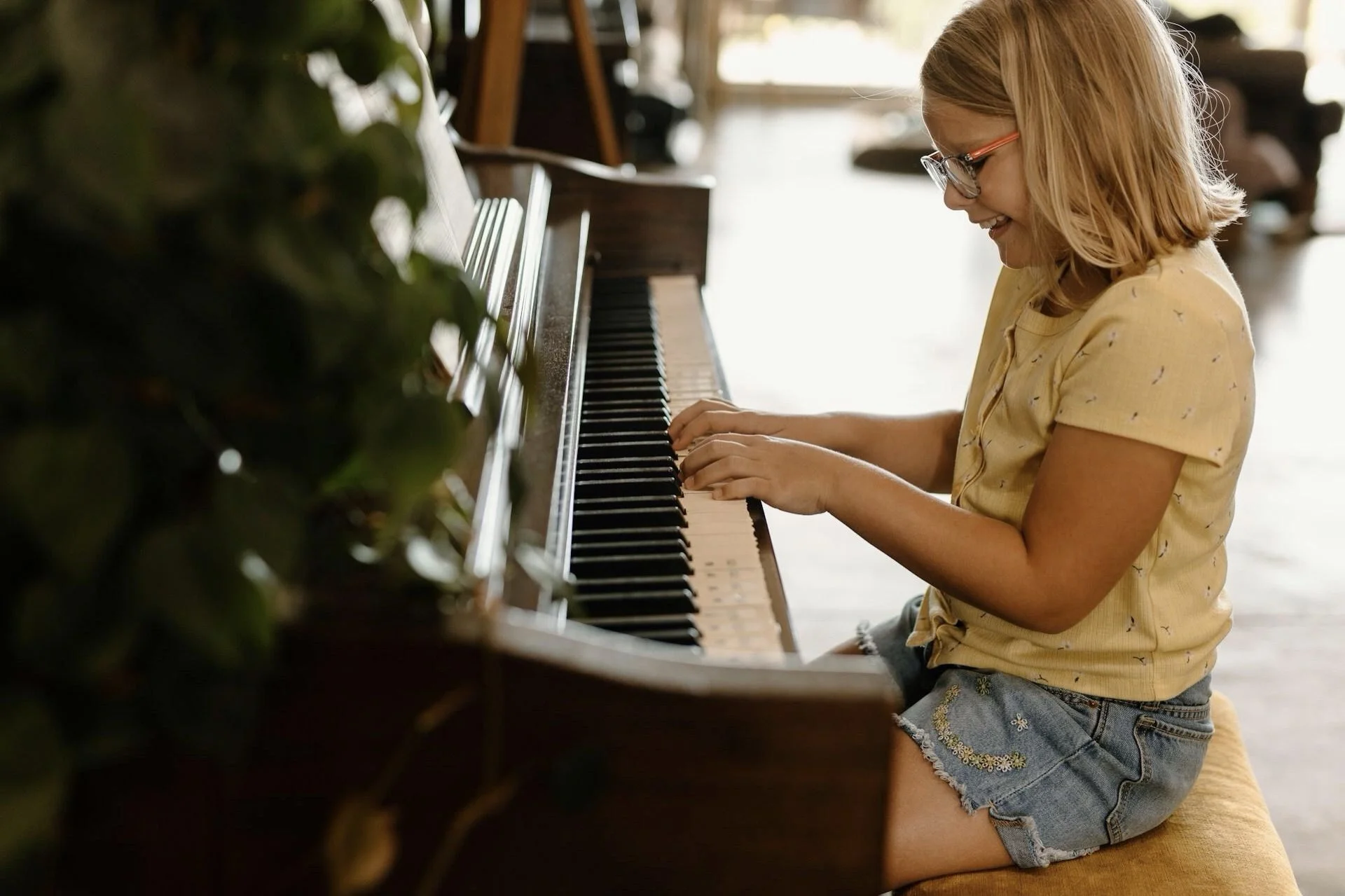
The piano is uniquely suited to how many autistic children learn and process the world. Unlike team sports or group activities, there's no social pressure, no unpredictable movements from other kids, and no chaotic environment to navigate.
The structure is built right in.
The keyboard follows a clear, repeating pattern. Press a key, hear a sound. That immediate cause-and-effect feedback makes sense to children who thrive on predictability. There's no guesswork, no abstract concepts to wrestle with at the start.
Piano learning also engages multiple senses at once. Your child sees the keys and the music, feels the tactile response of pressing each note, and hears the result instantly. This multi-sensory approach reinforces learning in a way that sticks, particularly for children who struggle with purely verbal instruction.
And perhaps most importantly, piano is self-paced.
There's no keeping up with a class, no falling behind, no comparison to other children. Your child moves forward when they're ready, and that removes so much of the pressure that causes meltdowns in other activities.
What Should You Look for in Piano Lessons for Special Needs Children?
Not all piano lessons are created equal, and what works for neurotypical children often misses the mark for kids with autism or other special needs.
The environment matters enormously.
Bright overhead lights, street noise, visual clutter—these things might barely register for some children, but for a sensory-sensitive child, they can derail a lesson before it even starts.
Look for lessons that take place in a calm, distraction-free space, or consider online options where your child can learn in the comfort of their own home, surrounded by familiar sensory inputs.
Lesson length and structure need to match your child's attention span.
Traditional 30 or 45-minute lessons can feel like marathons for children who struggle to focus. Shorter, bite-sized sessions of 5-10 minutes work far better, allowing your child to absorb information without becoming overwhelmed or exhausted.
The teaching approach should centre on empathy, patience, and genuine understanding of how neurodivergent children learn. That means breaking concepts into small, achievable steps. It means celebrating progress without arbitrary timelines.
And it means adapting to your child rather than expecting your child to adapt to a rigid curriculum.
The best piano instruction for autistic children uses what some educators call an "alternative language" approach—teaching mainstream music through methods specifically designed to enhance cognitive development.
This isn't dumbed-down music or special "autism songs."
It's real piano, taught in a way that actually works.
What Are the Benefits Beyond Just Playing Music?
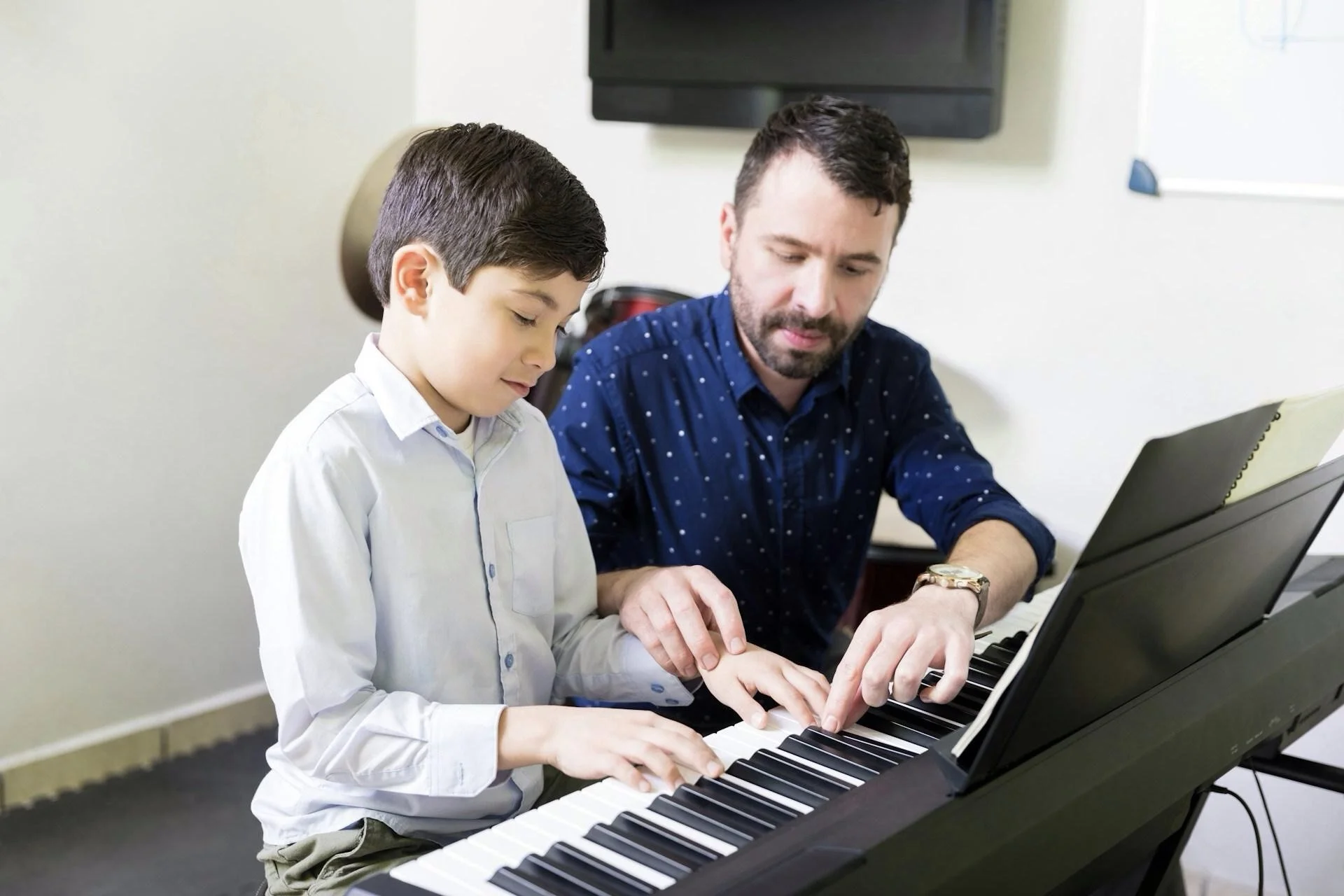
Learning piano does far more than teach your child to play songs. The cognitive benefits are well-documented and genuinely meaningful.
Focus and attention improve through the structured practice of following sequences and patterns. Many parents notice their child's ability to concentrate on other tasks improves after starting piano lessons. Memory strengthens too, as children learn to recall note patterns, finger positions, and musical phrases.
Fine motor skills develop naturally through the physical act of playing. The finger independence required for piano builds coordination and dexterity that transfers to other areas of life, from handwriting to buttoning clothes.
There's also a powerful emotional regulation component.
Piano can become a calming, organising activity during times of stress or anxiety. The predictable patterns and rhythms help children manage their emotions, and many parents find that practice time at home becomes a successful self-regulation strategy.
And then there's confidence.
Every small achievement at the piano—learning a new note, completing a simple song, earning a certificate for finishing a module—builds your child's sense of accomplishment. For children who may struggle in other areas, having something they're genuinely good at can be transformative.
Can My Non-Verbal or Highly Impacted Child Learn Piano?
This is one of the most common questions parents ask, and the answer is yes.
Piano doesn't require verbal communication to learn or to succeed. The multi-sensory nature of the instrument means children can see, feel, and hear their way through lessons without needing to speak.
In fact, many educators find that piano lessons are particularly effective for highly impacted and non-verbal students because the feedback loop is entirely built into the instrument itself.
Music becomes its own language—one that doesn't depend on words. For children who struggle to express themselves verbally, the piano offers an outlet for communication and self-expression that other activities can't.
The key is finding instruction designed with these children in mind. Generic piano lessons won't cut it. You need an approach that understands sensory needs, attention differences, and the unique ways neurodivergent children process information.
Meeting Your Child Where They Are
Every autistic child is different. What works brilliantly for one may not suit another, and that's okay. But if your child shows any interest in music—if they're drawn to sounds, if they tap out rhythms, if they light up when they hear a melody—piano is worth exploring.
The right piano lessons won't try to change your child or force them into a neurotypical mould. They'll work with your child's strengths, respect their challenges, and create an environment where success is actually possible.
Speed Needs Music was built specifically for neurodivergent learners (autism, depression, ADHD, and more). The lessons are short, engaging, and designed to hold attention without overwhelming.
Your child can learn at their own pace, on their own schedule, in their own space. And you can try it completely free to see if it's the right fit for your family.
Get in touch today for all your cognitive development music needs.
Your child deserves an activity that brings them joy. This might just be it.